You've Noticed Something
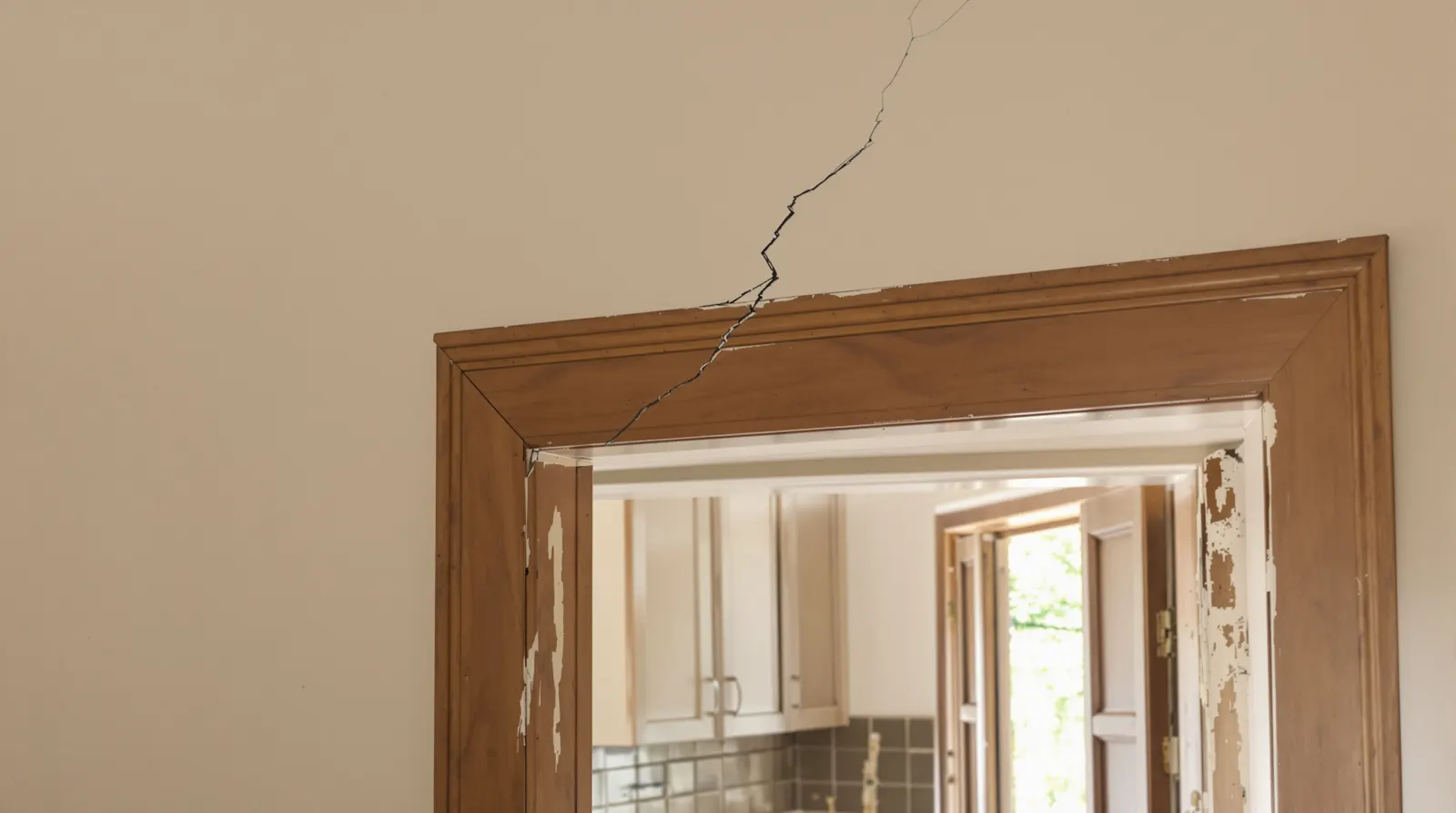
Maybe it started small. A door that needed a shove. A marble that rolled across the kitchen. A crack above a window that you painted over, and then it came back.
Most people live with these things for months, sometimes years, before they put it together. That is completely normal. The signs creep up slowly, and nobody wants to think about what is happening under the floor, or what it might cost to fix.
The worry is usually the same: is this serious, who do I call, and am I about to be ripped off? This site exists to answer those three questions as plainly as we can.
What's Probably Happening
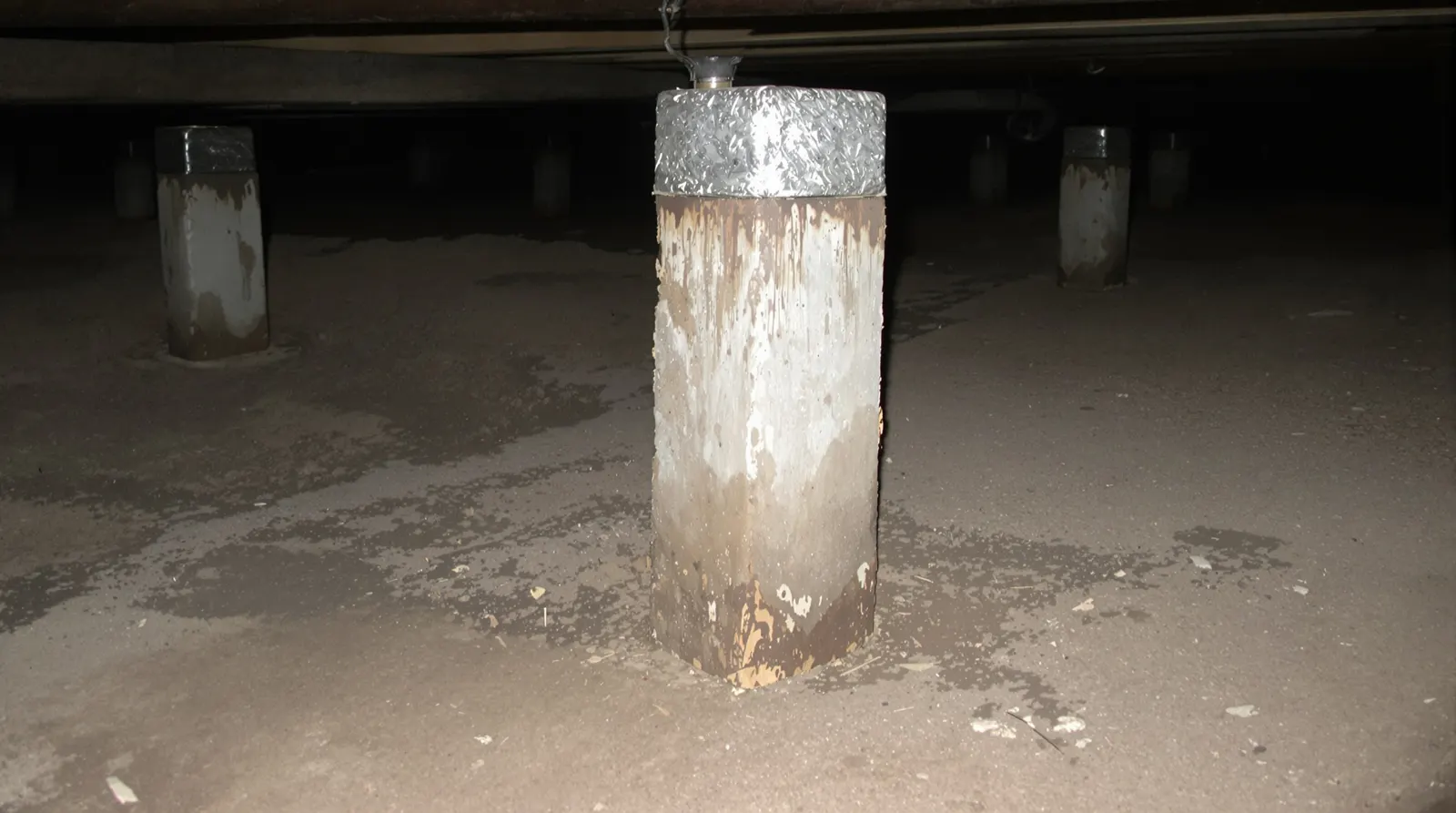
Most older homes in Sale, Wurruk, Maffra and Stratford sit on stumps. Many of the originals are timber, and timber in damp ground doesn't last forever. Over fifty or sixty years, stumps rot at ground level, split, sink into soft soil or get eaten by termites.
On top of that, a lot of Gippsland sits on reactive clay. It swells when it is wet and shrinks when it dries out, so the ground under your house rises and falls a little every year. A house on healthy stumps copes with that. A house on tired stumps slowly drops where the weakest stumps are.
The result is what you are seeing: sloping or bouncy floors, sticking doors and windows, cracks in plaster, and gaps under skirting boards. In brick homes, it shows up as cracks in the brickwork instead.
Is It Serious?
Usually it is not an emergency, but it is not something to ignore either. Stump problems almost always get worse with time, and they get more expensive as they spread. A few failed stumps under one room might be a partial restump today. Left for several more years, it can become a full restump plus bearer repairs and a lot of patching inside.
It also matters when you sell. Pre-purchase building inspections look under the floor, and buyers use subfloor problems to negotiate the price down.
How It Gets Fixed
There are four main fixes, and a good builder will tell you honestly which one you need:
- Relevelling: the stumps are fine, the floor has just moved. The house is jacked and packed back to level. The cheapest fix.
- Partial restumping: only some stumps have failed. Those are replaced and the floor is levelled.
- Full restumping: most stumps are old or failing. All are replaced with concrete or steel stumps on new footings.
- Underpinning: for brick homes on concrete footings that have moved.
Prices range from a few thousand dollars for a relevel to $18,000 to $45,000 or more for a full restump. You can see typical costs on our restumping cost guide, and get a rough figure for your house with the cost estimator.
Who Do I Call?
That is where we come in. Our job is to make it easy to get the right person out to your house, without ringing around.
When you call 0483 929 969 or fill in the form, our booking assistant takes down your details and what you are noticing. We then pass your enquiry to one registered restumping builder who works in your area. They call you, arrange a time, inspect under the floor and give you a written quote. The quote is free and you are under no obligation.
Am I About to Be Ripped Off?
Here's how we help you go in with your eyes open:
- Your details go to one builder. We don't sell your enquiry to a list of tradies who all ring you at once.
- We only refer registered builders. You can check any builder's registration yourself on the Building and Plumbing Commission's public register.
- Prices are out in the open. Our cost guide shows typical ranges, so you can tell whether a quote is in the right ballpark.
- It costs you nothing. Using this service is free for homeowners, and you are never obliged to go ahead.
Read exactly how referrals work, including how we may be paid, on our referral disclosure page.